Build research software and verification tools
Experiment and measurement tools, sensor data visualization, performance comparison, cross-OS verification — designed and built around your specific research goal.
Research → Working System
Working across AI, embedded systems, devices, and the web, I turn research ideas and technical concepts into testable software and working prototypes. I can also join mid-project — investigating why something isn't working, or picking up a technical evaluation already in progress.
Feel free to reach out even mid-way through research, prototyping, or debugging.
What I Can Take On
Organized by the kind of problem you can bring me, not a list of technologies. This includes tools that fall outside your core research but still need building, and bugs whose cause isn't known yet.
Experiment and measurement tools, sensor data visualization, performance comparison, cross-OS verification — designed and built around your specific research goal.
Using MCP servers and similar bridges, let an AI client operate BLE devices, capture the screen, monitor serial logs, or reach into a business system.
From multi-agent systems and structured output to full prototypes with auth, a database, and streaming. On-device inference that reduces cloud dependence is also in scope.
Multi-MCU coordination, wireless communication, low-power design, cloud integration, and companion phone apps. Delivered as working hardware plus handoff documentation.
I isolate root causes by measuring and testing hypotheses — reading library source, checking OS settings, tracing communication, right down to the hardware boundary.
Selected Work
Each entry states clearly whether it's a concept, a prototype, hardware-verified, or in production. For client work that can't be disclosed, the company name and confidential details are withheld.
Rust / TypeScript / MCP
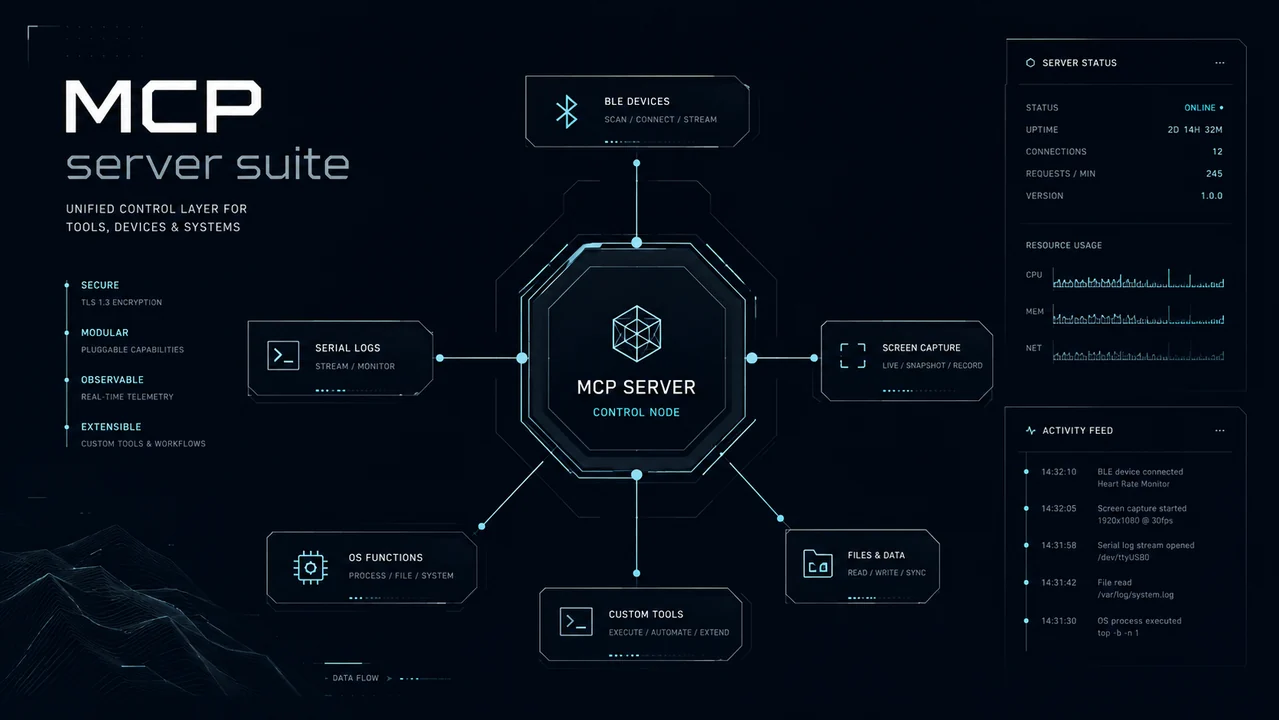
I/O adapters that let an AI client reach BLE devices, capture the screen, or monitor serial logs across multiple devices.
Implemented BLE read/write/notify, screen and window capture, multi-device serial log monitoring and summarization, a web UI, and both stdio and HTTP transports.
Tauri / Rust / Azure Speech / MCP
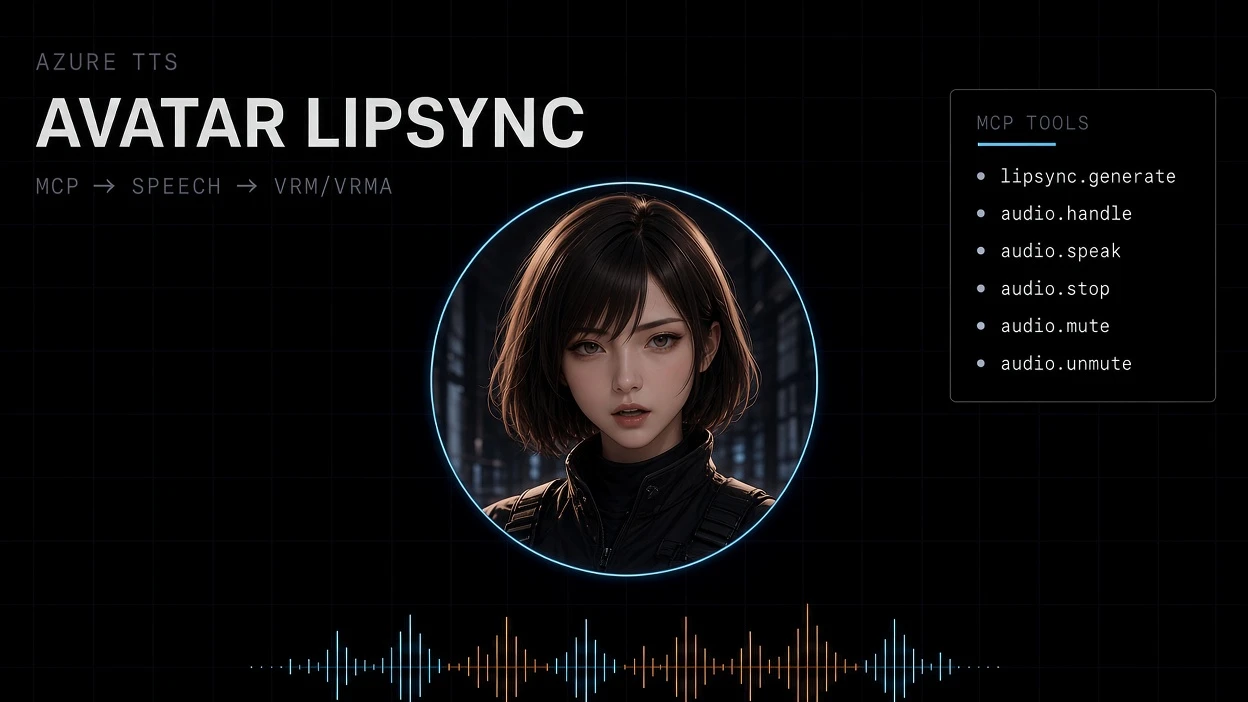
Gives AI dev-support tools like Claude Code a voice and a 3D avatar body, via MCP. Used daily to have TTS read out the progress of dev work.
An MCP server built into the Tauri app (list voices, speak, play VRMA animations, and more), TTS via Azure Speech Service, VRM avatar lip-sync, and Windows/macOS/Linux support.
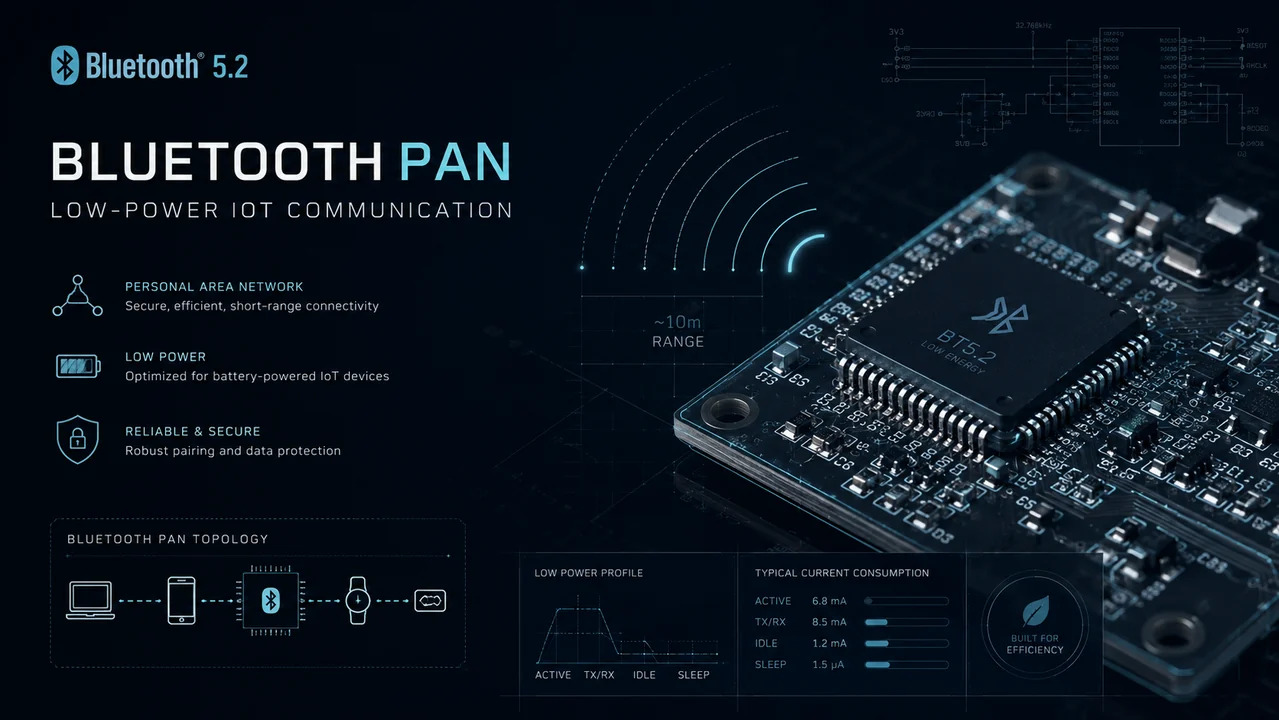
C / ESP-IDF / BTstack
Implemented BNEP/PAN, which isn't in the standard stack, to get internet access via a smartphone. Also designed the wake-cycle correction and current-measurement methodology.
Verified SDP, SSP pairing, BNEP, DHCP, and HTTPS communication on real hardware. Corrected deep-sleep wake-cycle jitter using EWMA prediction.
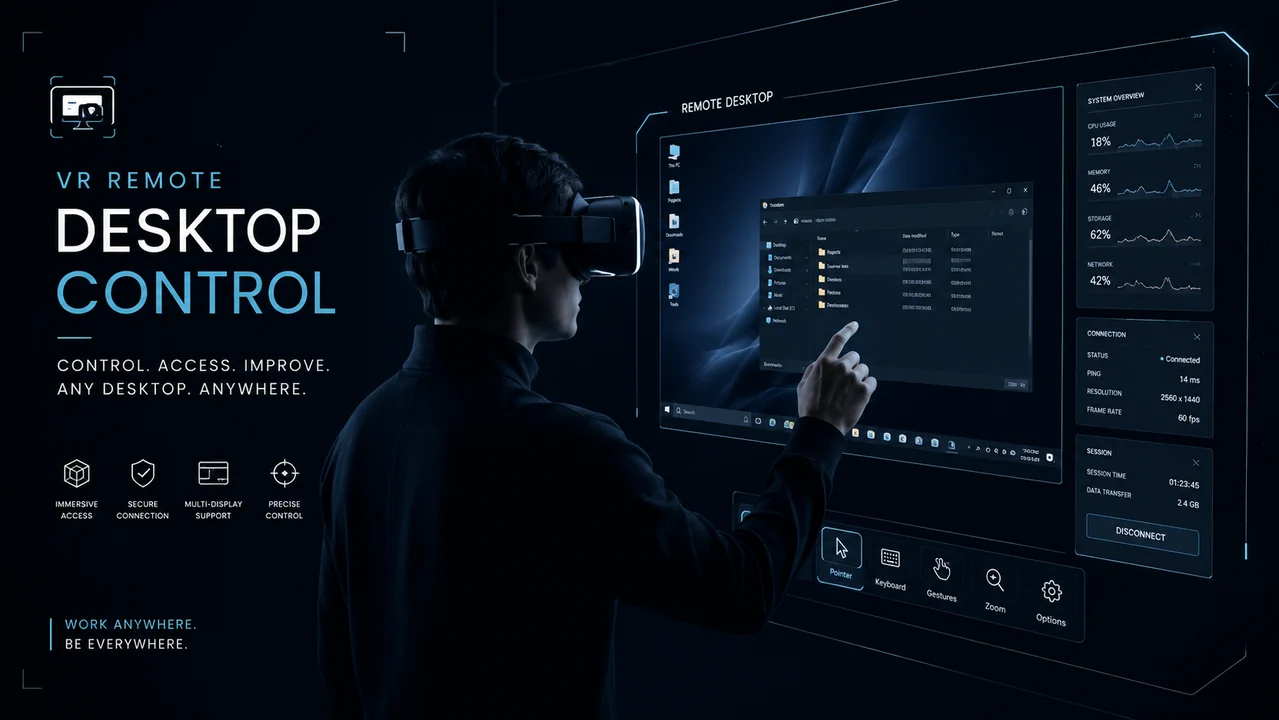
Rust / NVENC / OpenXR
A remote-desktop system that streams a Windows app's screen over HEVC and displays it as a manipulable panel in VR space.
Implemented zero-copy GPU encoding, UDP video delivery, input injection, OpenXR rendering, 6DoF manipulation, and hand tracking.
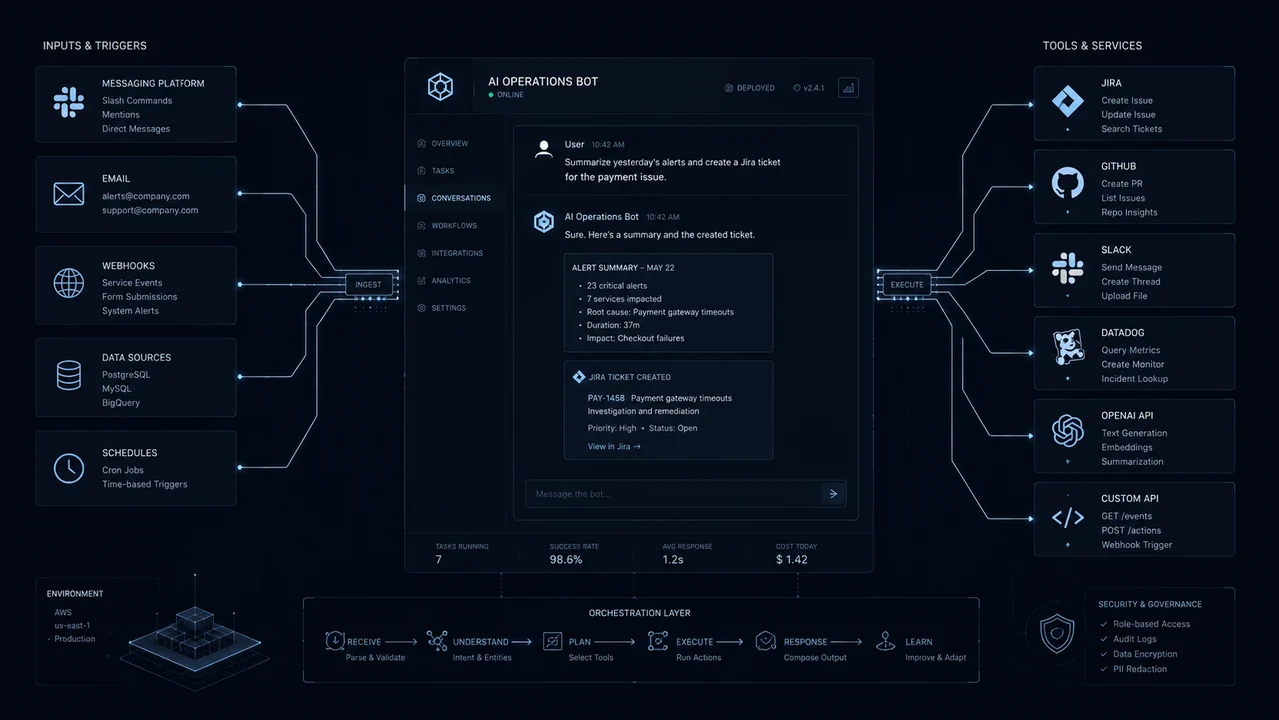
Node.js / nginx / systemd
Runs continuously on a self-hosted server. Supports switching between multiple LLMs, web search and image generation, and an admin panel — hardened against stalls and rendering glitches hit in real operation.
Implemented the webhook, an authenticated admin panel, switching between OpenAI/xAI/Google, selective replies in group chats, and Flex Message rendering with a plain-text fallback.
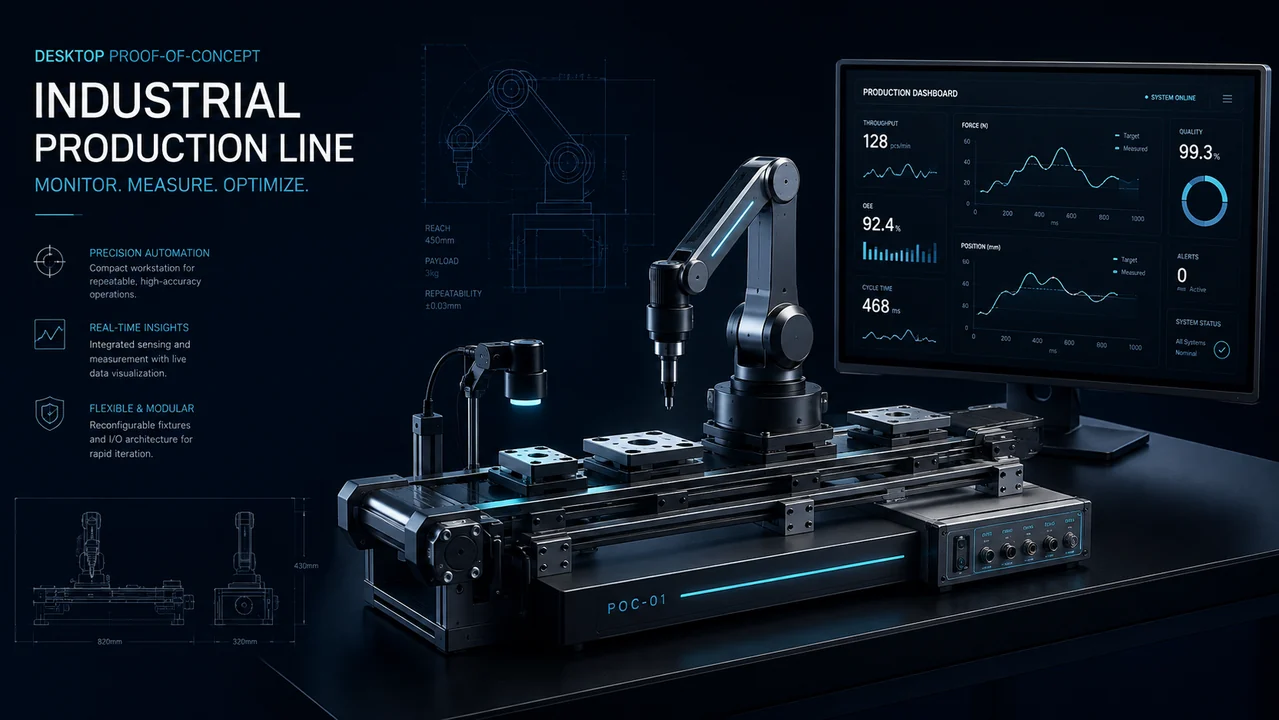
Arduino / Raspberry Pi / PLC
A tabletop production-line model built to demonstrate a manufacturing management system — reproducing conveyance, processing, assembly, inspection, pass/fail judgment, and sorting. Integrates role-split coordination across multiple MCUs with image- and color-based judgment.
Built out motor PWM control, PLC relay communication, photoelectric sensors, camera and color-sensor integration, servo control, a shared library, and handoff documentation.
How I Debug
I consider the process of getting to a root cause — not just the deliverable — part of what makes technical support good.
Don't fix on a hunch —Real-time object detection video was stuttering.
Instead of assuming "the model inference must be heavy," measured GPU inference and camera frame delivery independently.
Tested each hypothesis separately: USB bandwidth, sensor readout, warm-up time, driver settings, and a dirty lens.
The GPU was using only 1/22 of its inference capacity — the fix needed wasn't model optimization, it was better lighting.
A servo connected to a Raspberry Pi wasn't moving to the commanded angle.
Instead of stopping at wiring and code, investigated the OS's PWM clock management as well.
Isolated the default settings and found a hardware clock conflict with the audio driver.
Resolved with a configuration change, and documented the cause and fix in the README to prevent recurrence.
Repeated crashes during HTTPS communication, always showing the same panic message.
Before just increasing the stack size, switched to logging remaining stack space and capturing backtraces.
Worked through stack monitoring, disabling unneeded features, freeing heap, and backtrace analysis in sequence.
Identified and fixed stack pressure, an object-lifetime issue, and an invalid free during disconnect handling — each a separate bug.
Publications / Editorial Work
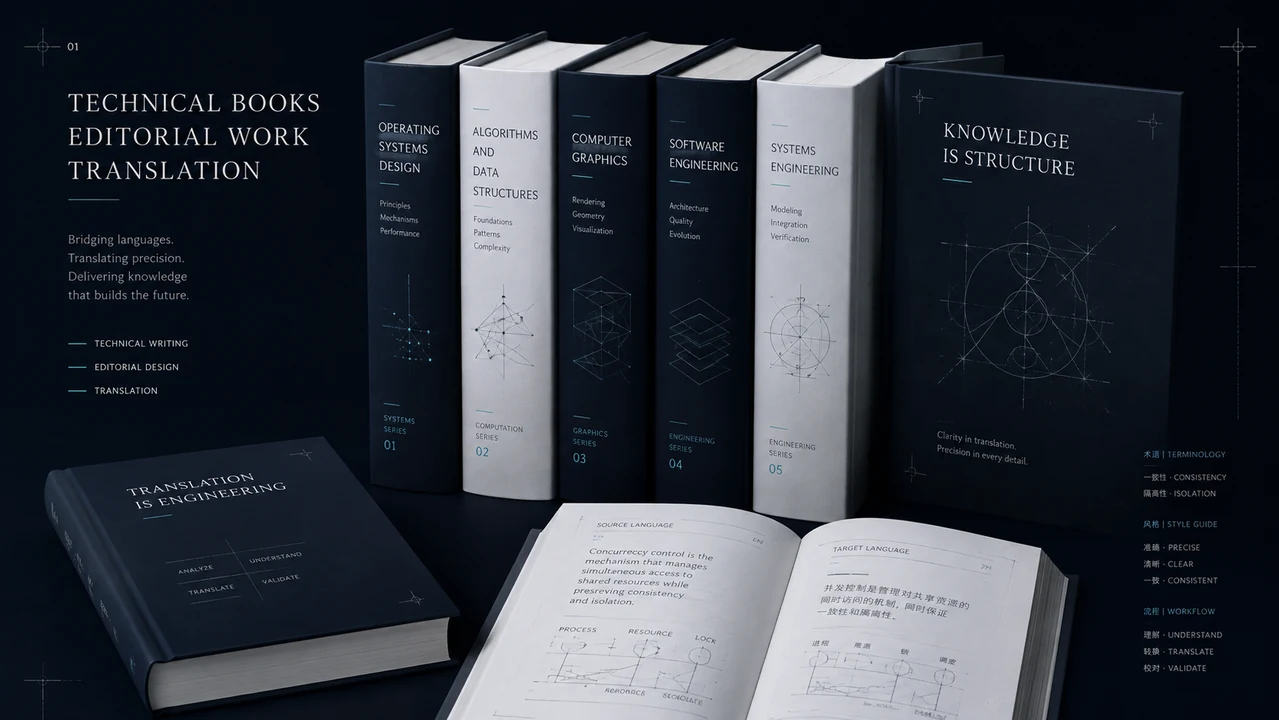
From the late 1990s to the early 2000s, I worked on translation supervision, technical supervision, editing, and writing for PC and programming books. Translating and editing complex technology from abroad into something Japanese engineers could actually use still shapes how I design and build today.
In addition, under my own name, I supervised or translated titles including "Windows 95 Bible."
About
My earliest technical work was porting Fantavision — an Apple II animation program — to the PC-9801, building the assembly-language animation-generation engine. From there: translation-supervising and technical-supervising books, embedded systems, industrial demonstrator hardware, mobile apps, and AI agents. Rather than stay in one domain, I've kept doing the same underlying work — understanding complex technology, verifying it, and turning it into something other people can use. Right now I'm especially interested in connecting AI to the OS, devices, and sensors, instead of leaving it confined to a chat window.
Mechanisms — MCP and similar — that let AI operate devices, OS functions, and business systems.
Running LLMs entirely on-device, designed to reduce dependence on connectivity, accounts, and external APIs.
Measuring how power-saving modes actually behave, and designing from those measurements rather than datasheet numbers.
Timeline
From October 2024 to the present, cross-referencing records left in both macOS and Windows working environments (git commit history, READMEs, work logs) with activity on GitHub — personal repos and the cami org (my own team's repos) — laid out chronologically. It shows a throughline from book supervision/translation to AI and embedded work, growing markedly denser over the last two years.
Contact
It's fine if you're still at the "I'm not sure what to even ask for" stage, or want to talk through how to verify something before starting.